30+ Years Paper Packaging Designer & Manufacturer
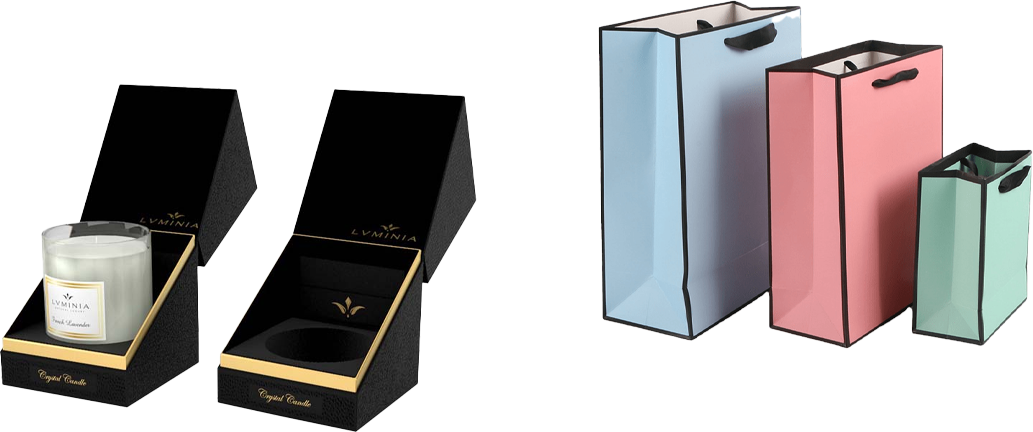

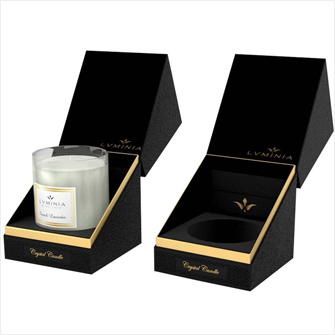

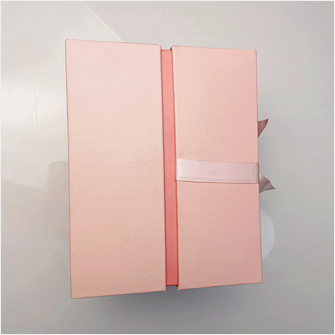
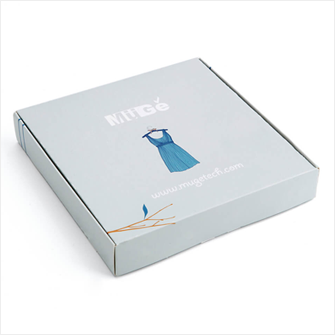
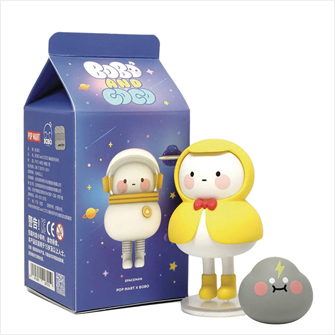
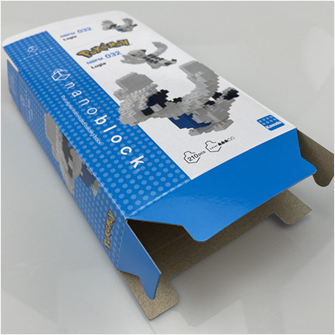
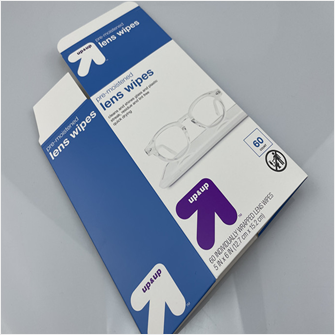
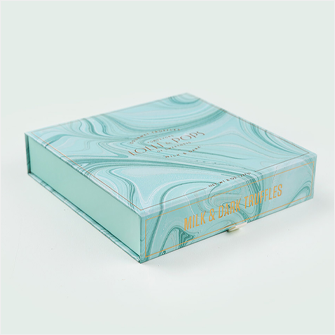
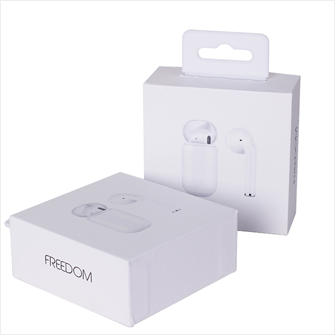


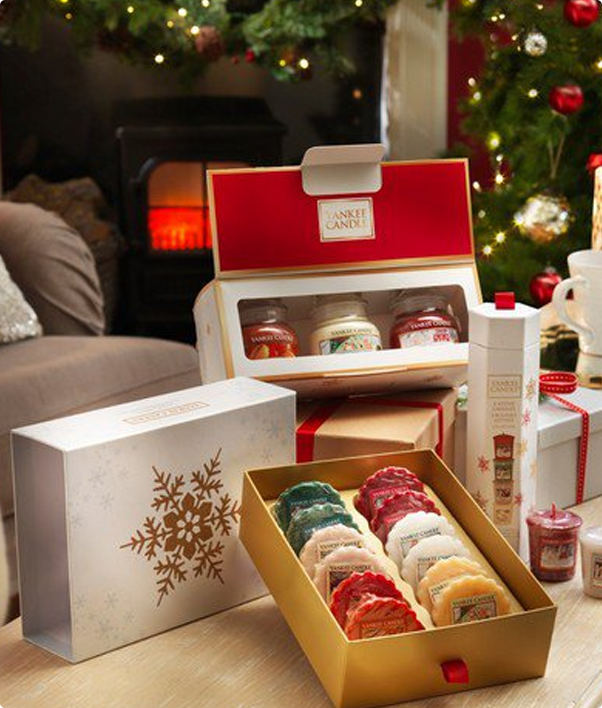
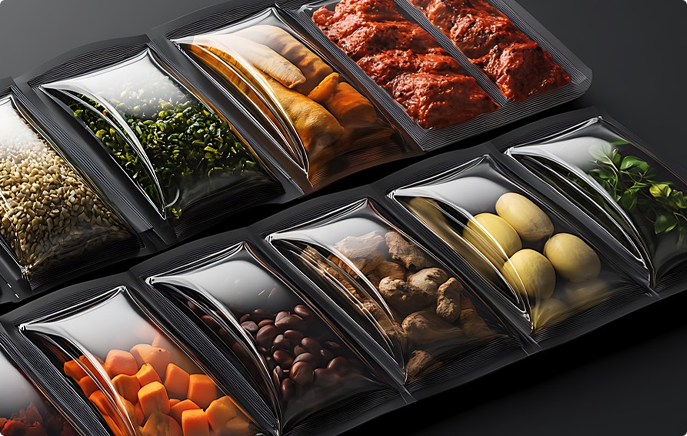
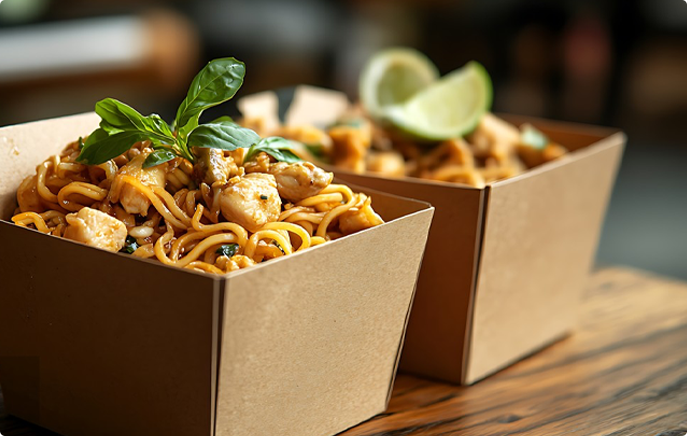
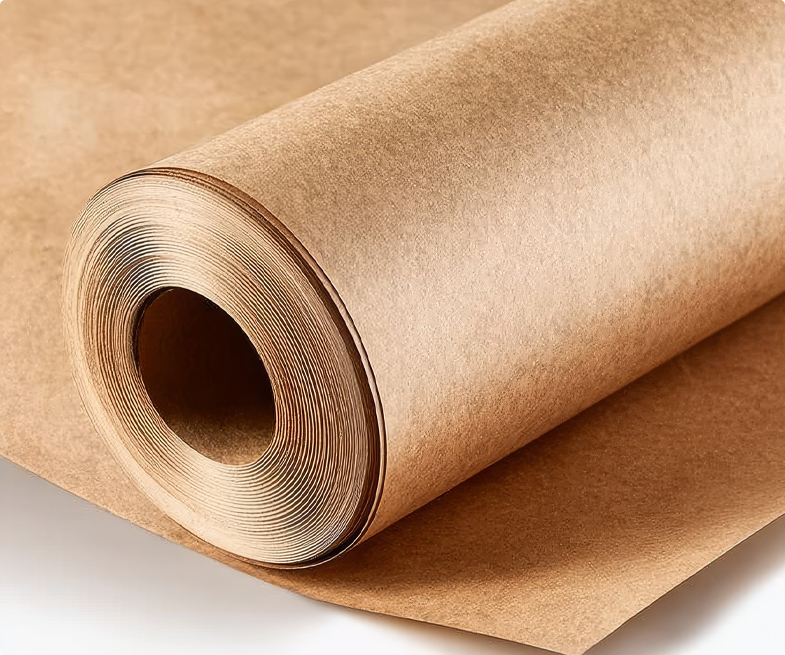
Brands can choose from a variety of paper types and grades to match durability needs and sustainability goals:
Brands can choose from a variety of paper types and grades to match durability needs and sustainability goals:
Brands can choose from a variety of paper types and grades to match durability needs and sustainability goals:


Traditional paper is porous, bio-based coatings (like PLA or starch-based barriers) and nanocellulose treatments can reduce water absorption by up to 80% without compromising recyclability.
Yes. Corrugated boards and reinforced fiber treatments now provide up to a 50% increase in tensile strength, making them suitable for heavy electronics and industrial goods.
High-quality fibers, such as those in Kraft paper, can typically be recycled 5 to 7 times before the fibers become too short and weak for reuse. Sustainability & Disposal
The consensus is to tear off the greasy bottom and discard/compost it, while the clean top can be recycled with standard cardboard.
Generally, no. We must separate paper/card from food waste to prevent contamination.
No. "Biodegradable" means a material breaks down naturally over time, while "compostable" requires specific conditions (often industrial facilities) to turn into nutrient-rich soil within a set timeframe.
While many suppliers offer "low minimums" (often 100–500 units) via digital printing, high-volume offset printing remains the standard for orders exceeding 5,000 units to achieve lower per-unit costs.
New regulations (such as the EU's PPWR) increasingly require clear labels indicating exactly how to dispose of the package (e.g., "Recycle," "Compost," or "Landfill") to reduce consumer confusion.
Domestic production typically takes 1–2 weeks after artwork approval, while international orders using ocean freight can take 2–8 weeks.

Copyright © 2025 Harmony Print Pack Co., Ltd. All rights reserved. Site Map Powered by